
Redefining Excellence
Shape the Future of Healthcare at a Top University in Pune
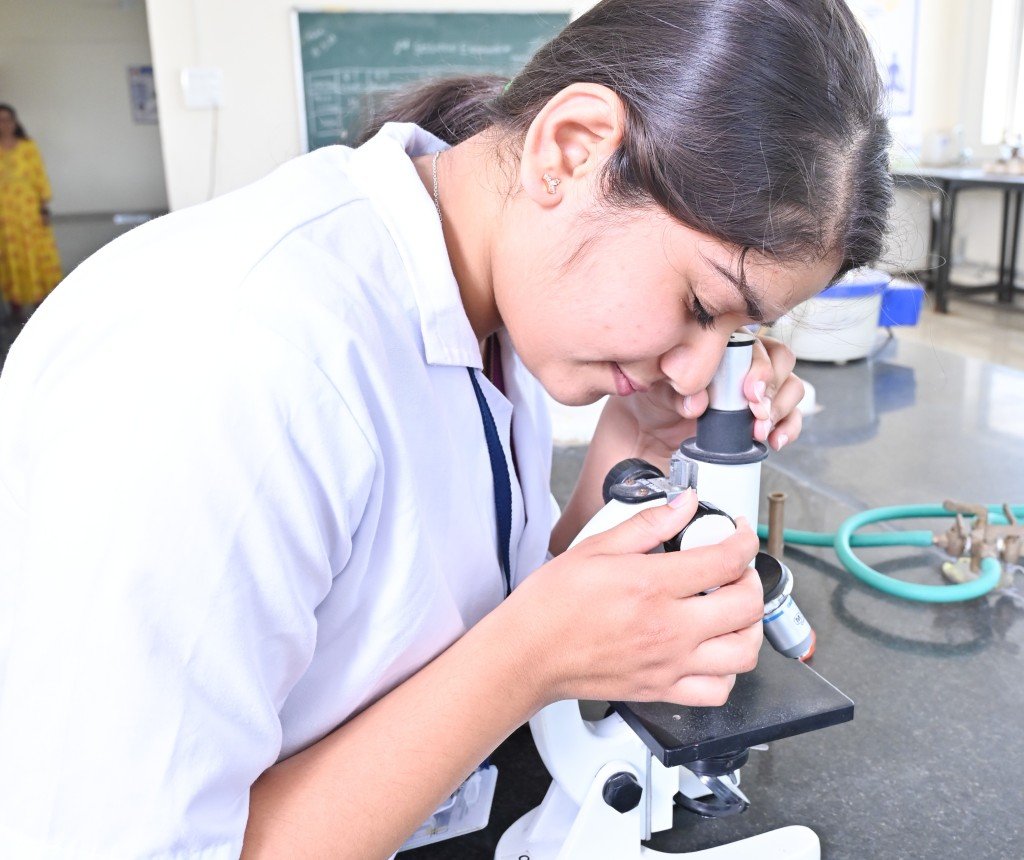
At ALARD School of Allied Health Sciences, explore innovative learning, advanced labs, and industry exposure to build a meaningful career in healthcare and life sciences.
A Word From Leadership
Dean's Message
Empowering Future Leaders in Business and Technology
Dr. Namita A. Raytekar is a distinguished academician with extensive experience across biological, medical and allied health sciences, complemented by significant industrial and research exposure.
She has held key academic and administrative leadership positions, contributing to academic planning, curriculum development, programme implementation and quality enhancement in higher education....
Known for her strong leadership abilities, Dr. Raytekar has successfully led academic teams, guided programme development, and strengthened institutional systems in line with regulatory and professional standards. With a strong focus on student progression, she has consistently worked towards enhancing academic outcomes, skill development, mentoring, and career readiness of students. Dr. Raytekar has actively engaged in interdisciplinary research and industry–academia collaboration, strengthening translational learning and research initiatives. Her broad expertise, scholarly focus, and commitment to academic excellence continue to contribute to the growth, innovation, and quality advancement of healthcare education.
Warm regards,
Dean, School of Allied Health Sciences
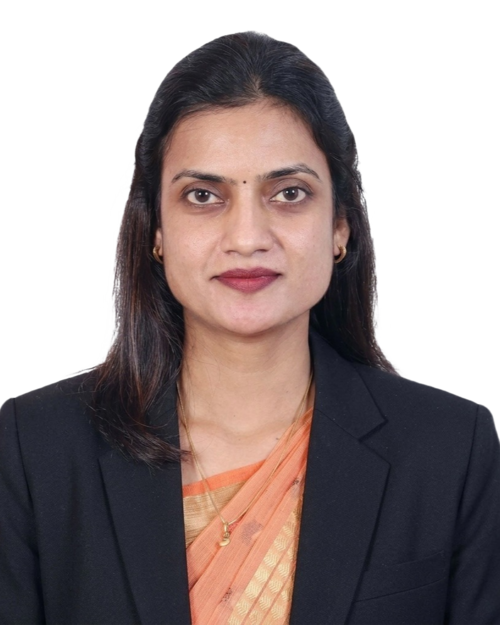
Dr. Namita Raytekar
Dean, School of Allied Health Sciences
ALARD University Pune
Salient Features of the Program
Infrastructure:
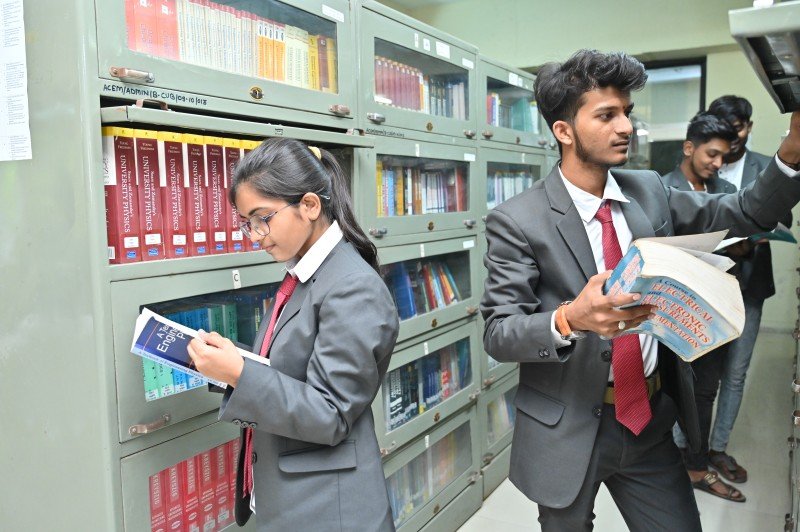
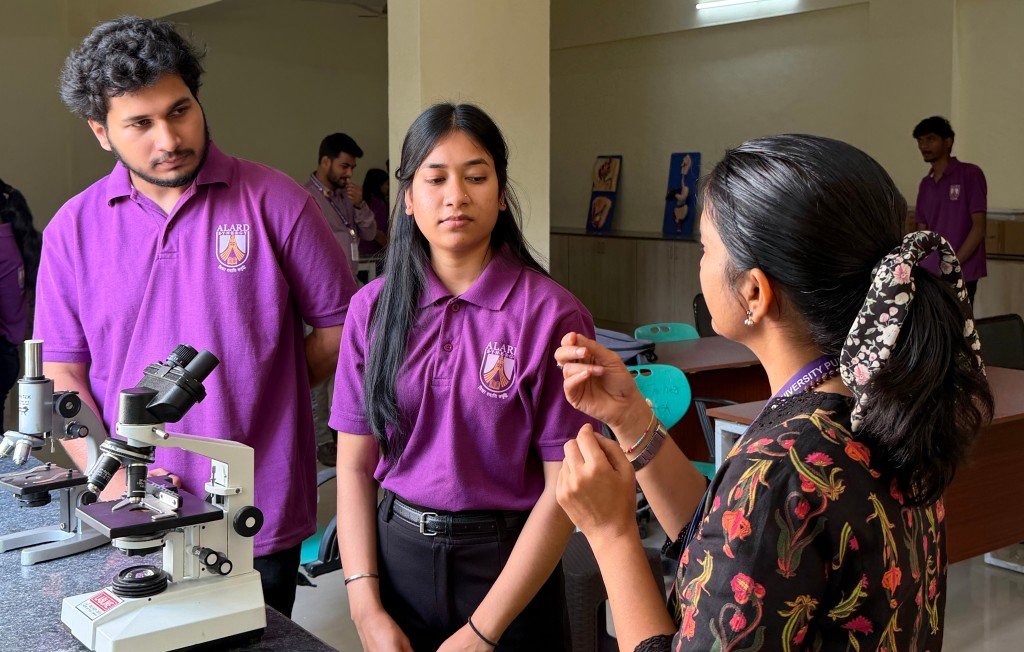
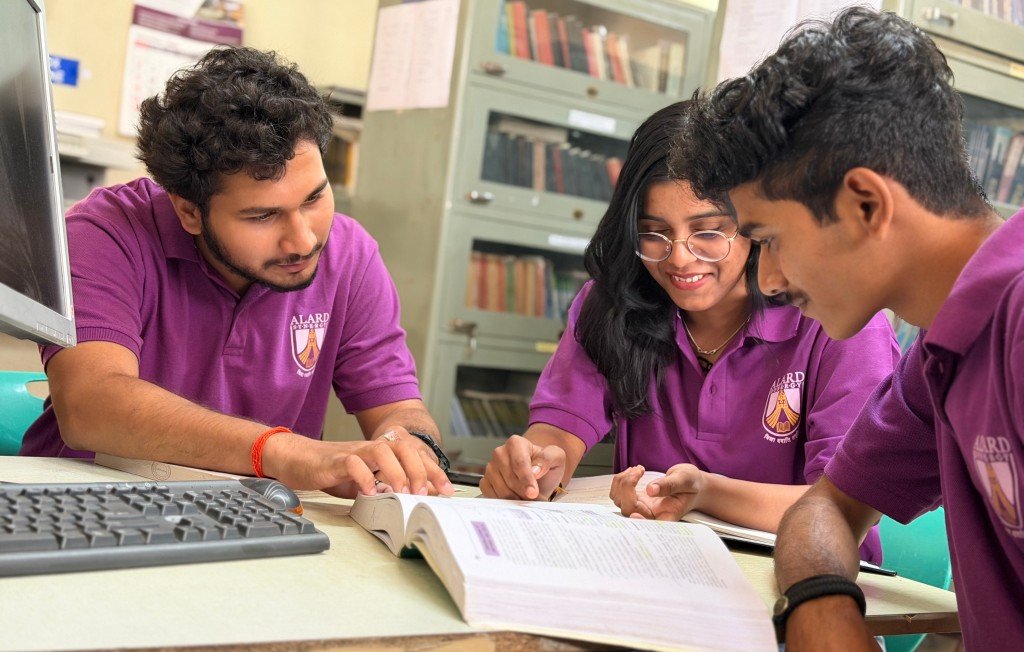
cutting-edge laboratories, modern library, digital library and seminar room designed to host engaging lectures and seminars.
Academic Excellence:
Approved by PCI, Govt of Maharashtra, NAAC accredited Institute with 70% practical exposure and 30% classroom teaching by experienced, qualified faculty with industry expertise and research contributions.
Industry-Relevant Curriculum:
Offering programs and add-on courses that are aligned with industry needs, including communication skills, technical skills, practical skills, internships, and interview preparations.
Innovative Teaching Methods:
Implement modern and interactive teaching methods, including online learning platforms, flipped classrooms, and technology integration.
Project-Based Learning:
Implementing the Project-Based Learning (PBL), a dynamic teaching method that actively engages students with current industry trends and societal needs. Through PBL, students are encouraged to engage in research activities, exploring new ideas and pushing the boundaries of existing knowledge.
Placement Records:
Provide training to students to make them placement ready for On campus and off campus drives organized by institute.
Alumni Success Stories:
Showcasing successful alumni who have made significant contributions in their respective fields.
Student Support Services:
Highlighting services such as career counseling, mentoring, tutoring, and other support systems to ensure student success.
National Service Scheme (NSS):
Conducting NSS program to engage students in a variety of activities that promote social responsibility, community engagement, and the spirit of volunteerism.
Academic Pathways
Programs Offered
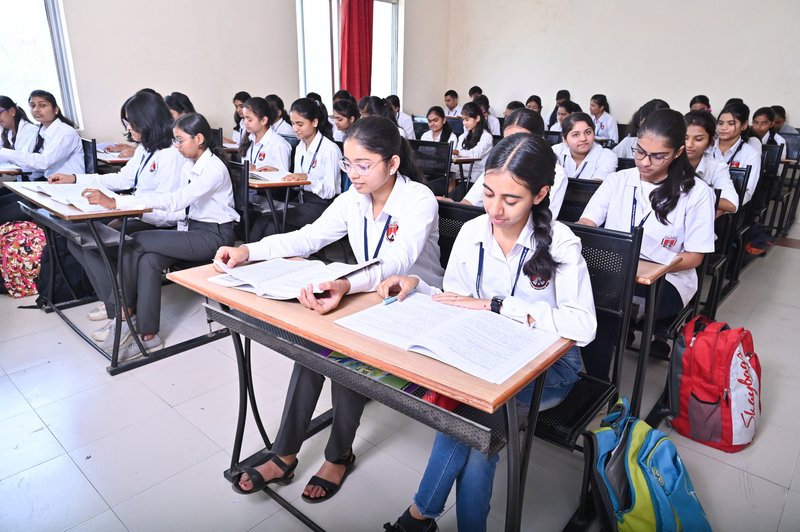
Bachelor of Science in Biotechnology
- 4 Years
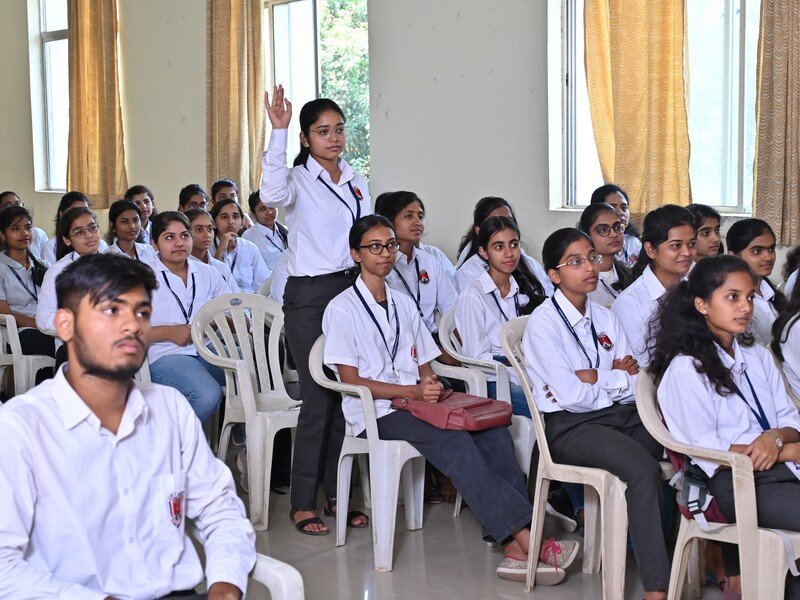
Bachelor of Medical Laboratory Science (B. MLS)
- 4 Years
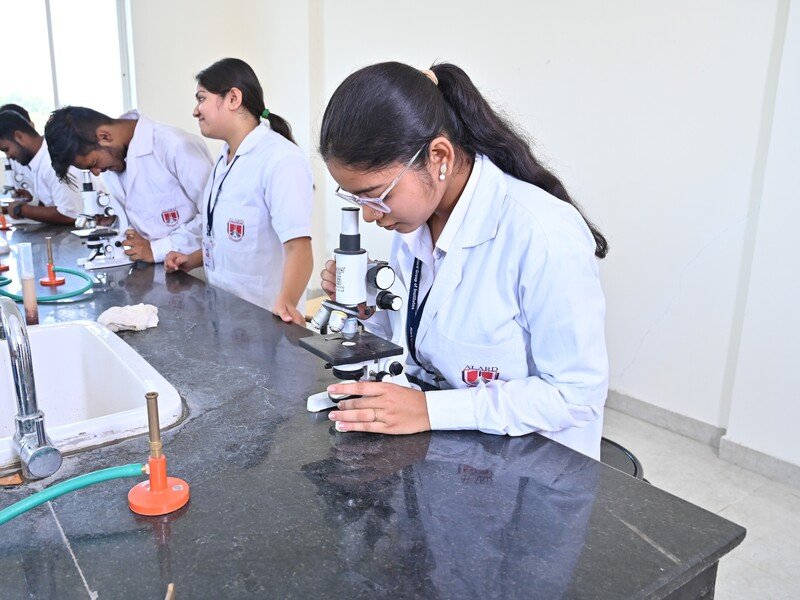
Bachelor of Medical Radiology & Imaging Technology (B. MRIT)
- 4 Years
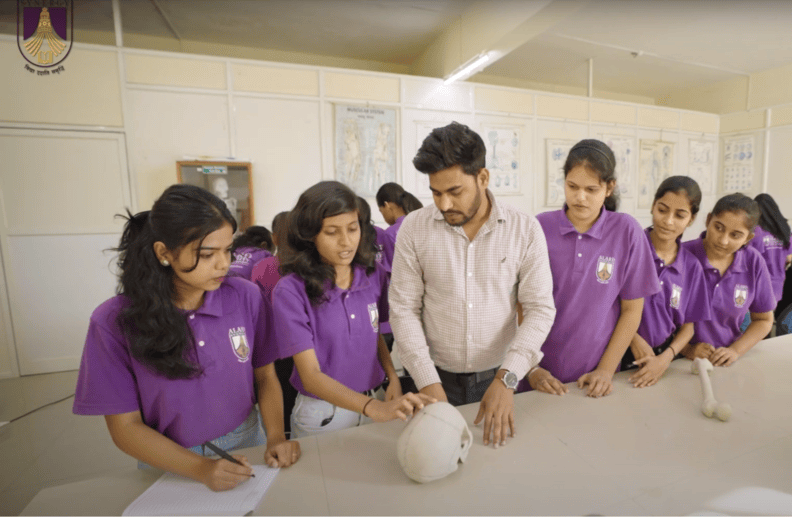
Bachelor of Anaesthesia and Operation Theatre Technology (B. AOTT)
- 4 Years
Bachelor of Cardiovascular Technology (B. CVT)
- 4 Years
Bachelor of Physiotherapy (B. PT)
- 5 Years
Bachelor of Optometry (B. Optom)
- 5 Years
Master of Science (Clinical Embryology)
- 2 Years
Master in Public Health
- 2 Years
Admission Requirements
Eligibility Criteria
B.Sc. (Biotechnology)
- Passed 10+2 (HSC) or equivalent examination with Physics, Chemistry, and Biology or Mathematics as subjects. Minimum Aggregate Marks: 45% – General Category, 40% – Reserved / EWS / PwD (Maharashtra State only, Must have appeared in all subjects and obtained a non-zero score in the relevant CET conducted by the Competent Authority
B. MLS / B. MRIT / B. AOTT
- Bachelor of Medical Laboratory Science, Bachelor of Medical Radiology & Imaging Technology, Bachelor of Anaesthesia & Operation Theatre Technology Passed 10+2 (HSC) or equivalent examination with Physics, Chemistry, and Biology or Mathematics as subjects. Must have appeared in all subjects and obtained a non-zero score in NEET or any other CET conducted by the Competent Authority. Admission is subject to any other eligibility criteria and requirements declared from time to time by the Appropriate Authority as defined under the Act.
Bachelor of Optometry (B. Optom.)
- Passed 10+2 (HSC) or equivalent examination with Physics, Chemistry, and Biology or Mathematics as subjects. Secured minimum 50% aggregate marks in the qualifying examination. Must have appeared in all subjects and obtained a non-zero score in NEET or any other CET conducted by the Competent Authority. Admission is subject to any other eligibility criteria and requirements declared from time to time by the Appropriate Authority as defined under the Act.
Master of Science (Clinical Embryology)
- Candidates must have passed any one of the following qualifications from a recognized University / Institution: B.Sc. in Life Sciences / Biological Sciences, B.Sc. in Biotechnology / Microbiology / Biochemistry / Genetics / Zoology, Bachelor of Medical Laboratory Science (B.MLS), MBBS, BHMS / BAMS, Any other equivalent qualification approved by the Appropriate Authority / University Additional Requirements, Admission shall be on the basis of an entrance examination conducted by the respective University / Competent Authority. Candidates must fulfill any other eligibility criteria prescribed from time to time by the Appropriate Authority. Wherever applicable, candidates may be required to comply with regulatory requirements of ART / NCAHP.
- Note: Eligibility is subject to norms prescribed by the University and relevant statutory / regulatory authorities.
Career Success
Our Collaborations
Student Voice
What Our Student Say
Studying at ALARD School of Allied Health Sciences has given me excellent clinical exposure through collaborations with reputed hospitals and clinics. The modern labs and infrastructure make practical learning effective. Our faculty members are highly experienced and focus on real-world application, which has helped me build confidence and prepare for a successful healthcare career.
Sneha Patil
Kolhapur
ALARD School of Allied Health Sciences offers the perfect blend of theory and practical learning. The tie-ups with leading hospitals provide valuable hands-on experience. The infrastructure is well-equipped, and the teaching methodology is very interactive. The faculty’s industry experience helps us understand concepts deeply and prepares us for real-world challenges.
Rahul Jadhav
Satara
The learning experience at ALARD School of Allied Health Sciences is truly enriching. With access to reputed hospitals and clinics, we gain practical exposure alongside academics. The infrastructure and facilities are modern and well-maintained. The faculty is supportive and uses innovative teaching methods that make learning engaging and career-focused.
Priya Deshmukh
Sangli
I chose ALARD School of Allied Health Sciences for its strong industry collaborations and experienced faculty. The exposure to hospitals and clinics has enhanced my practical skills. The campus infrastructure is excellent, and the teaching approach is very application-oriented. The overall environment supports both academic and professional growth effectively.
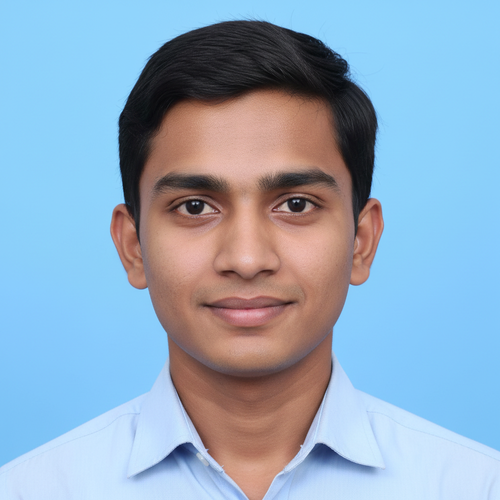
Amit Shinde
Karad
ALARD School of Allied Health Sciences provides outstanding facilities with modern labs and strong hospital collaborations for hands-on learning. What I appreciate most is the balance between academics and extracurriculars, including international-level sports facilities for football and badminton. The experienced faculty and practical teaching methods make learning highly engaging and career-oriented.
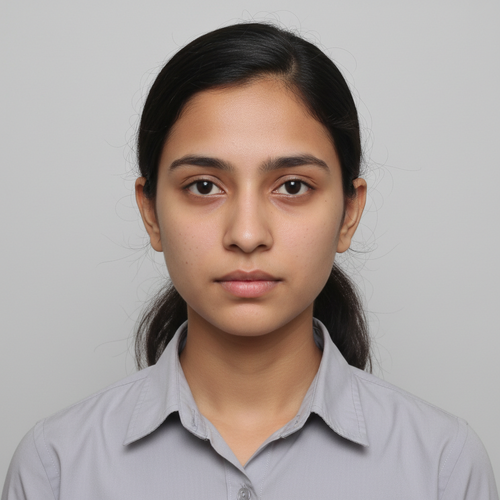
Rutuja More
Solapur
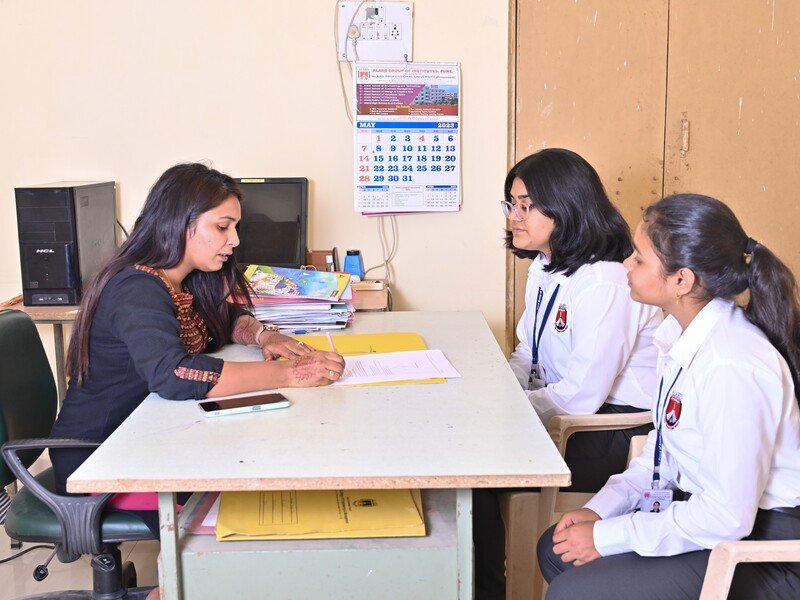
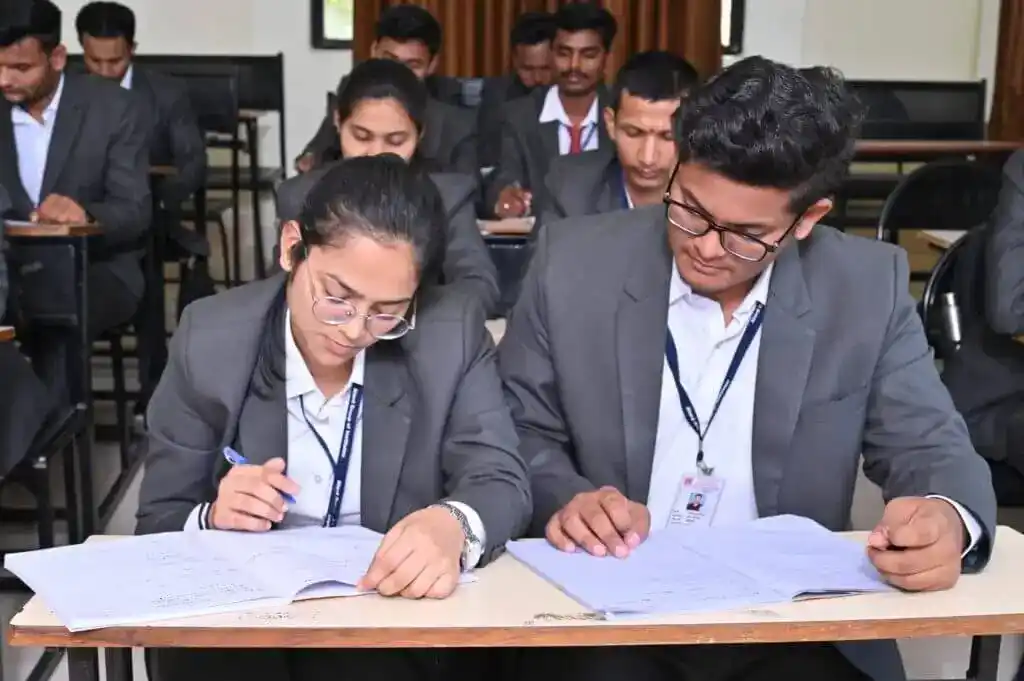
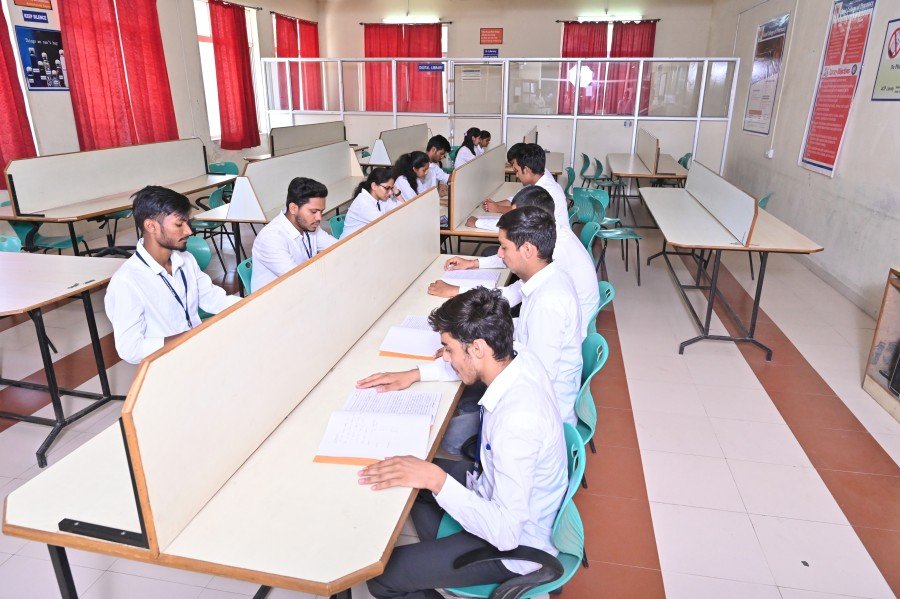
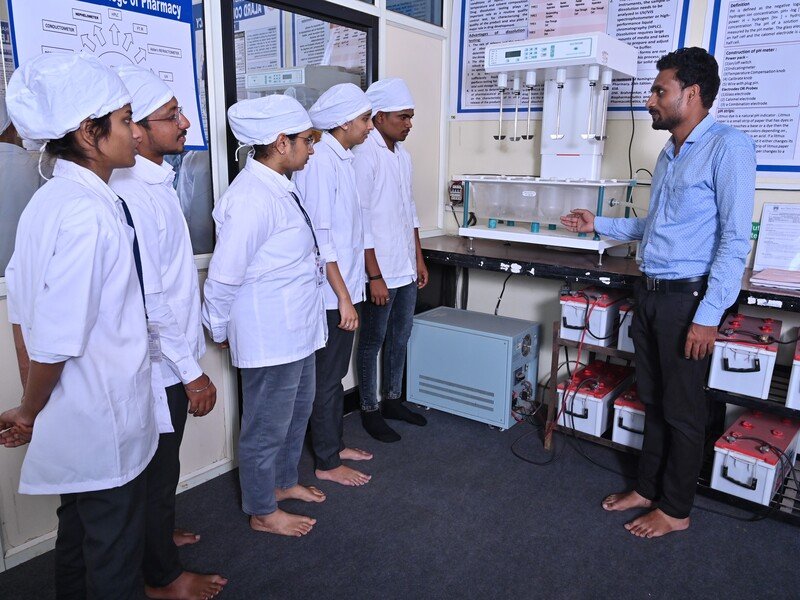
Infrastructure
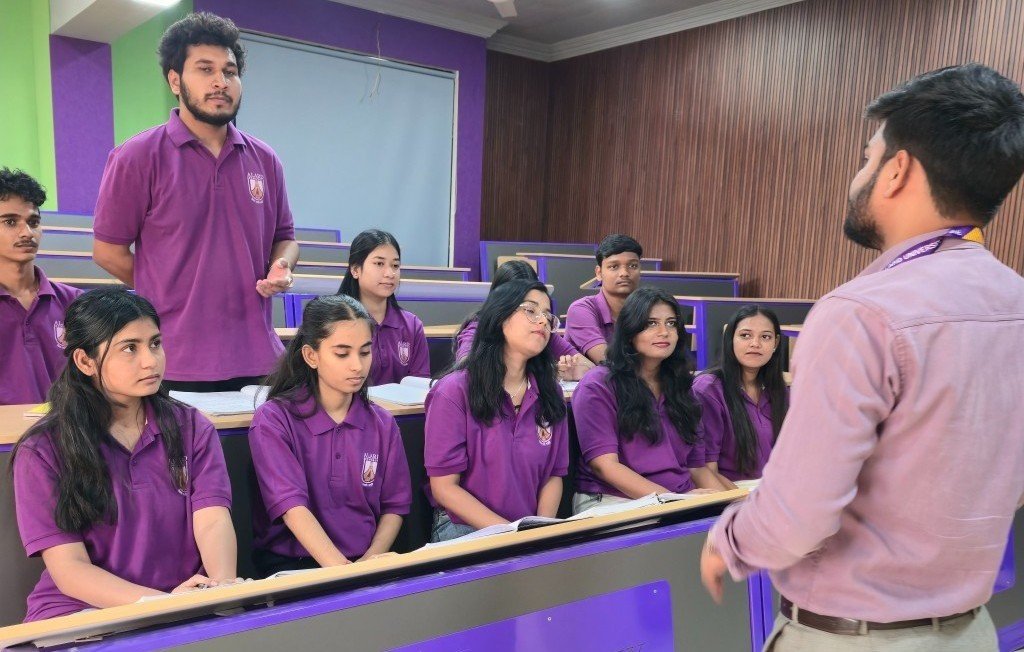
Classroom
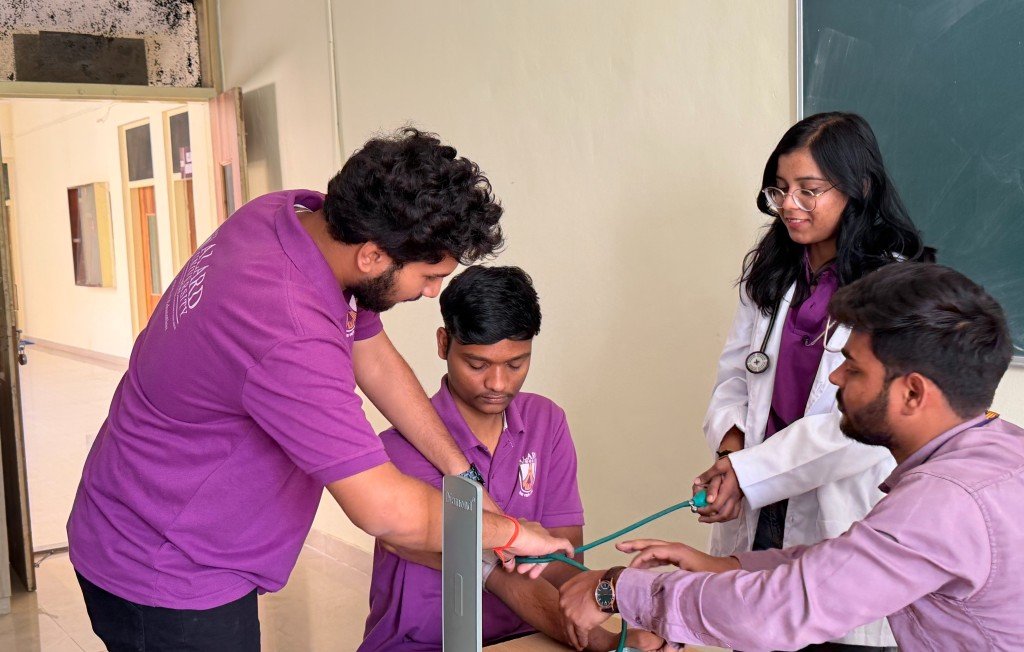
Laboratory - I
Laboratory - II
Library
Faculty
Dr. Namita Raytekar
Dean & Associate Professor
PhD Medical Microbiology
Dr. Namita A. Raytekar is a distinguished academician with extensive experience across biological, medical and allied health sciences, complemented by significant industrial and research exposure.
She has held key academic and administrative leadership positions, contributing to academic planning, curriculum development, programme implementation and quality enhancement in higher education. Known for her strong leadership abilities, Dr. Raytekar has successfully led academic teams, guided programme development, and strengthened institutional systems in line with regulatory and professional standards. With a strong focus on student progression, she has consistently worked towards enhancing academic outcomes, skill development, mentoring, and career readiness of students.
Dr. Raytekar has actively engaged in interdisciplinary research and industry–academia collaboration, strengthening translational learning and research initiatives. Her broad expertise, scholarly focus, and commitment to academic excellence continue to contribute to the growth, innovation, and quality advancement of healthcare education. eadership development, and research. An accomplished academician and an alumna of IIM–R (HR Analytics).
Dr. Disha P. Senjaliya
Assistant Professor, School Examination Officer, IQAC Coordinator, IIC Coordinator, PhD Coordinator, R & D Coordinator
PhD Biotechnology
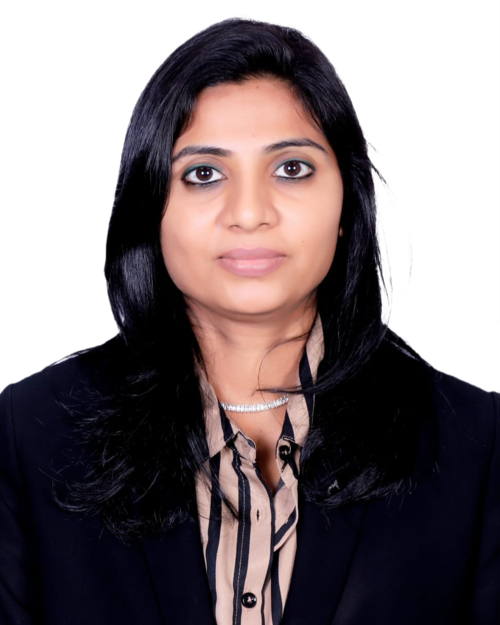
Dr. Disha P. Senjaliya is an accomplished academic and researcher, currently serving as an Assistant Professor in the Department of Biosciences, School of Health and Biosciences, ALARD University, Pune.
With over One decades of experience, she is recognised as a pioneer in biotechnology, especially in Gujarat, India, where she previously led the Department of Biotechnology at Kamani Sciences College, Amreli. Dr. Senjaliya has supervised undergraduate students. Her mentorship extends to over 160 undergraduate dissertations, fostering a generation of skilled professionals.
Beyond academia, Dr. Senjaliya has held critical administrative roles, including School Examination Officer, ERP coordinator, Biosciences coordinator, and PhD coordinator of School of Health and Biosciences of the ALARD University, Pune.
Dr. Senjaliya has served on numerous committees dedicated to fostering innovation, discipline, and academic excellence. Her educational philosophy emphasizes nurturing creative potential and promoting holistic development among students. Her dynamism and interdisciplinary expertise, spanning biosciences, and education, embody his vision of creating knowledge that transcends academic boundaries.
Dr. Senjaliya’s career reflects a blend of dedication to teaching, research, and institutional development, establishing him as a respected figure in academia and a contributor to the broader scientific and educational community
Ms.Anshika Babbar
Assitant Professor,Member of Editorial Newspaper Aura,Chief Mentor
PhD Scholar, M.A in French
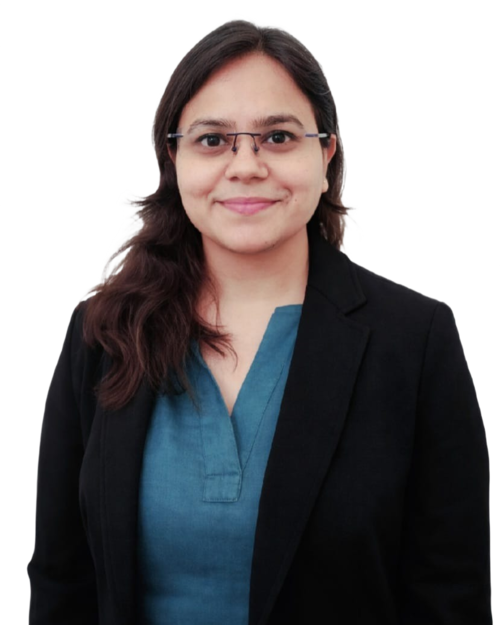
Anshika Babbar is a dynamic academic and French language professional with over 8 years of experience in French language instruction, translation, soft skills training and curriculum development.
She is currently serving at ALARD University, Pune in the following capacities: Assistant Professor, Member of Editorial, Newspaper Aura, and Chief Mentor. Prior to joining ALARD University, she served as an Assistant Professor at Le Cordon Bleu India, GD Goenka University, Gurgaon, where she mentored and trained over 1,000 undergraduate and postgraduate scholars in French language, Communication Skills, Interpersonal Skills and Leadership Skills.
As a Chief Mentor, she guides students and early-career researchers with a philosophy centred on nurturing creative potential and holistic development. Her editorial role with Newspaper Aura further extends her academic outreach into science communication.
Earlier in her career, she also served as a Translator and Researcher at Industrial Info Resources Inc., an MNC based in Gurgaon, where she translated documents between English and French, interpreted conversations with French-speaking clients, and created accuracy reports for translated documents.
Academically, Anshika completed her Bachelor of Arts (Economics & English) from Ramanujan College, Delhi University, followed by a Master of Arts in French Language and Literature from Goa University. She also holds the prestigious DELF certification from Alliance Française de Delhi. She is currently pursuing her PhD at Chitkara University, Chandigarh. She has published research in Scopus and ABDC-indexed journals and authored book chapters in hospitality and gastronomy.
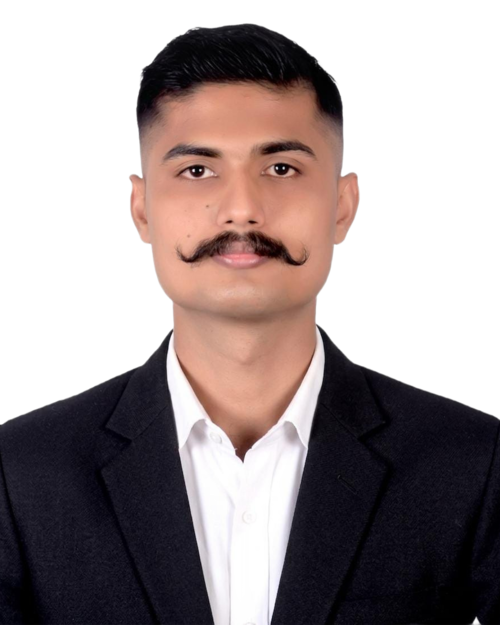
Mr. Sushant Shelke
Assistant Professor
M.Sc. Biotechnology
Sushant Shelke is a dynamic Assistant Professor with an Msc in Biotechnology and a PG diploma in Yoga. As a renowned 10m air rifle shooting player.
He brings a unique blend of technical expertise, academic excellence, and sporting achievements to his work. With 7 years of academic experience and 2 years of lab and industrial exposure, Sushant is passionate about inspiring students and contributing to academic growth.
A dedicated educator and researcher, Sushant Shelke leverages his strong foundation in Biotechnology (Msc) and Yoga (PG diploma) to foster innovation and excellence. His expertise spans biotechnology techniques, research, and data analysis, complemented by his achievements in 10m air rifle shooting. Sushant's approach integrates academic rigor with practical insights, guiding students and contributing to curriculum development.
LinkedIn: https://www.linkedin.com/in/sushant-shelke-099b89222
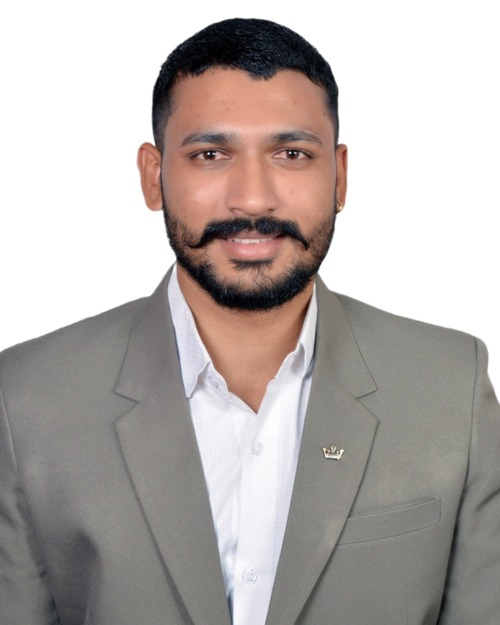
Mr. Sanket Shinde
Assistant Professor, Program Coordinator Medical Laboratory technology, Program Coordinator Operation Theatre and Anesthesia Technology, Social Media Coordinator
PhD Scholar, M.Sc. Clinical Laboratory Technology.
Mr. Sanket Shinde is a dedicated academician and healthcare professional serving as an Assistant Professor and Ph.D. Scholar in Medical Laboratory Sciences.
He holds a B.Sc. (2017–2020) and M.Sc. (2020–2022) in Clinical Laboratory Technology, with 5 years of experience, including teaching and healthcare practice. He specializes in Microbiology, Biochemistry, Pathology, Hematology, Virology, Bacteriology, Histopathology, and Blood Banking, with research interests in advanced diagnostic methodologies and laboratory practices. He has completed Faculty Development Programs (FDPs) and actively participates in academic conferences.
He has guided student projects and contributes to academic administration. Additionally, he serves as Program Coordinator for Medical Laboratory Technology and Operation Theatre & Anesthesia Technology, focusing on curriculum development, mentoring, and research activities. He is also a national-level sportsperson and has represented in All India University Games, reflecting his commitment to overall excellence.
LinkedIn: https://www.linkedin.com/in/sanket-shinde-a38bb1207/
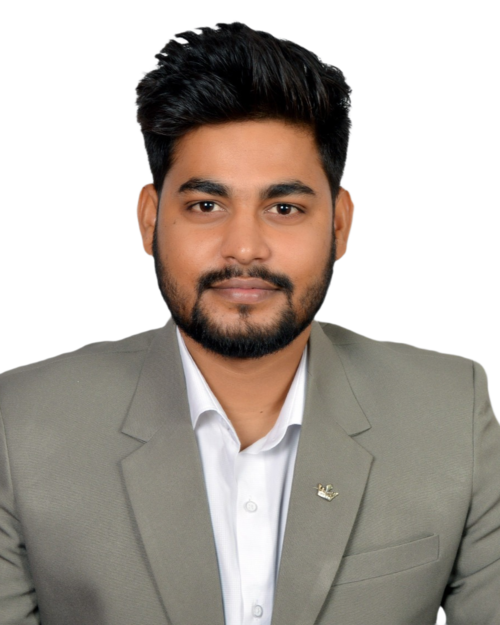
Mr. Ashish Yadav
Assistant Professor, Programme Coordinator School Centre Superintendent, Sports Coordinator
PhD Scholar, M.Sc. in Radiology and Imaging Technology
Mr. Ashish Yadav is an Assistant Professor in the School of Health and Biosciences at ALARD University, specializing in Medical Radiology and Imaging Technology.
He completed his Master’s degree (PG) in Medical Radiology and Imaging Technology in 2024 and is currently pursuing a PhD in the same field. He has 2 years of teaching experience and is actively involved in teaching subjects such as Radiation Physics, Clinical Radiography Positioning, CT, MRI, and modern diagnostic imaging techniques.
His research interest focuses on MRI and advanced imaging technologies, emphasizing image quality, diagnostic accuracy, and patient safety. In addition to teaching, he serves as a Program Coordinator, Sports Coordinator, School Centre Superintendent, and Grievance Committee Member, contributing to academic development, student support, and institutional growth. His goal is to advance education and research in Medical Radiology and Imaging Technology.
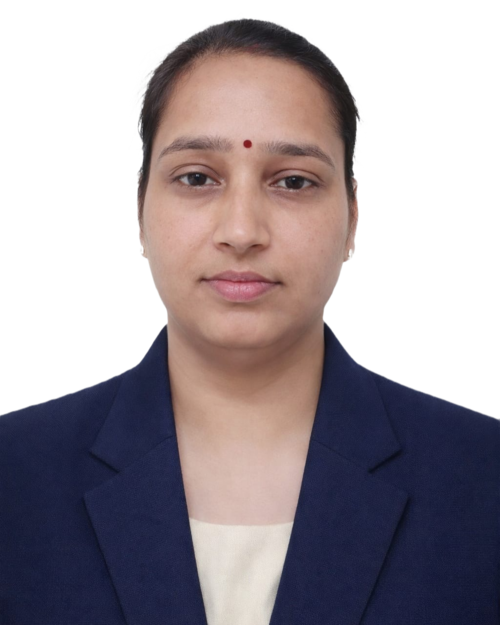
Mrs. Surabhi Soni
Assistant Professor
NET, PGDM (Human Resource and Marketing)
Ms. Surabhi is currently serving as an Assistant Professor at the ALARD School of Health and Biosciences, ALARD University, Pune.
She has qualified the UGC-NET (Code 55: Labour Welfare/Personnel Management/Industrial Relations/Labour and Social Welfare/Human Resource Management) twice, demonstrating her academic proficiency in the domain of management and human resource studies.
She holds a Post Graduate Diploma in Management (PGDM)specialisation in Human Resource Management and Marketing Management and possesses 4.5 years of industrial experience, which adds significant practical value to her teaching pedagogy. Her academic approach emphasizes the integration of theoretical concepts with real-world applications, particularly in the areas of healthcare management and organizational studies.
Her areas of interest include Human Resource Management, Organizational Behavior, and Healthcare Administration. She is committed to academic excellence, student development, and outcome-based education in alignment with institutional and NAAC quality benchmarks.
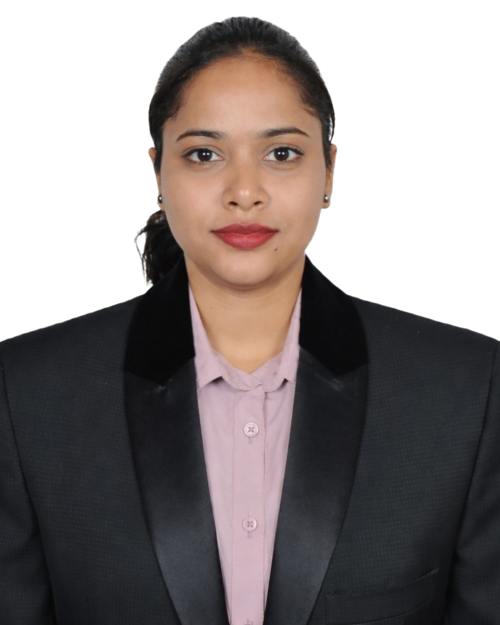
Pritee Prachee Pradhan
Teaching Associate, ERP Coordinator, ALARD School of Allied Health Sciences
PhD Scholar, M.Sc. in Radiology and Imaging Technology
Ms. Pritee Prachee Pradhan is a faculty member at ALARD School of Allied Health Sciences and also serves as the ERP Coordinator and Cultural Coordinator of the school.
She completed her Bachelor’s degree in Radiology and Imaging Technology from Centurion University of Technology and Management in 2023, followed by a Master’s degree in Radiology and Imaging Technology from Dr. D. Y. Patil School of Allied Health Sciences in 2025. She is currently pursuing her Ph.D. in the field of Radiology and Imaging Technology.
She actively participates in Faculty Development Programs (FDPs), workshops, and seminars to continuously upgrade her knowledge and skills. She has recently attended a state-level conference and has published a research article in the Journal of Clinical and Diagnostic Research (JCDR).
Her areas of expertise include teaching Radiology to BMRIT students, with a strong focus on building conceptual understanding and practical knowledge. She is also keenly interested in academic research, student mentoring, and staying updated with emerging trends in medical imaging technologies.
LinkedIn: https://www.linkedin.com/in/pritee-prachee-pradhan-96b198302
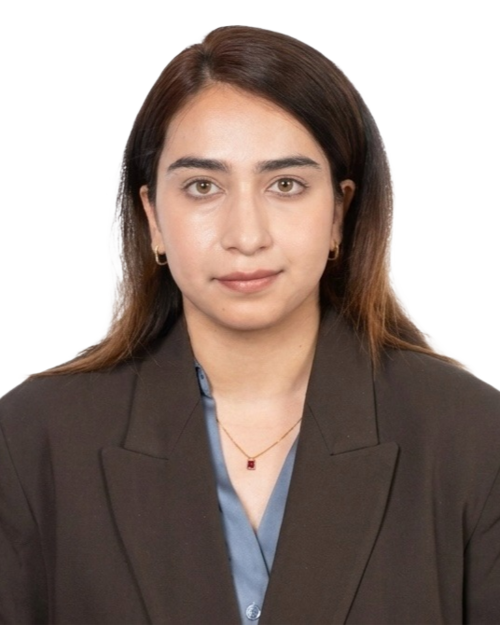
Dr. Heenal Ramani
Assistant Professor, Coordinator for the MPH and MHA Programme, ALARD School of Allied Health Sciences
M.Sc. in Dietetics, M.Sc. in Global Public Health and Policy (London), PGDCC, BAMS(Ayurveda)
Dr. Heenal Ramani is an Assistant Professor in the Department of Biosciences, School of Allied Health Sciences at ALARD University, Pune.
She holds a BAMS degree, along with PGDCC, an MSc in Global Public Health and Policy from Queen Mary University of London, and an MSc in Dietetics.
She has experience in Ayurvedic practice as well as in multi-speciality hospital settings, including experience in infertility clinic where she has been involved in treatment through an Ayurvedic approach. She has also worked with Seed Foundation in London in the health sector, gaining valuable public health experience. She has academic experience and actively contributes to teaching and student development. The subjects she teaches include Health Economics, Hospital Operations, Maternal and Child Health, Health System Policy and Practices, and Epidemiology.
She participates in Faculty Development Programs (FDPs), workshops, seminars and has attended various conferences, including the World Ayush Expo to continuously upgrade her knowledge and skills. Dr. Heenal Ramani also serves as the Coordinator for the MPH and MHA programme at ALARD University. Her interests include clinical practice, public health research, and nutrition.
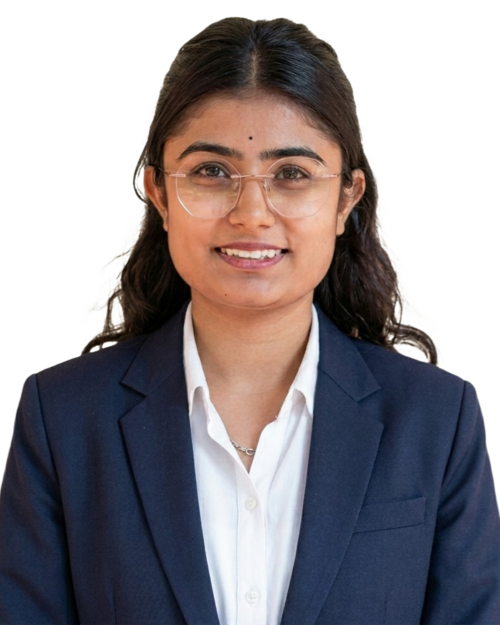
Miss. Ritu V. Nikam
Administrative officer cum Academic Assistant
M.Sc. in Microbiology
Miss. Ritu V. Nikam is an Administrative Officer cum Academic Assistant at the ALARD School of Allied Health Sciences, ALARD University.
She holds an M.Sc. in Microbiology and has over 2 years of experience in academic administration, where she plays a key role in managing student-related operations and departmental activities. Her expertise includes documentation, handling student-related government data, ERP systems, and coordinating various student services such as admissions support, fee processes, and ID management.
She is known for her strong organizational and coordination skills, enabling effective interaction with students, faculty, and administrative teams. In addition to her core responsibilities, she actively contributes to institutional development as a member of the Health and Wellness Club, Departmental Cultural Head, and University-level Faculty Cultural Coordinator.
She has also participated in a National Level Microbiology Olympiad, reflecting her continued engagement with her academic field and commitment to professional growth. With a proactive approach and attention to detail, she consistently supports the smooth functioning of academic and administrative processes.
LinkedIn: https://www.linkedin.com/in/ritu-nikam-3467a8339
Read More
Mr. Sagar Patil
Admin Assistant
I am a detail-oriented and responsible professional Admin Assistant. I have strong organizational and communication skills, and I am capable of handling office operations efficiently.
I am good at managing records, coordinating tasks, and ensuring smooth day-to-day administrative activities. I am seeking an opportunity where I can contribute to organizational efficiency and grow professionally.
LinkedIn: https://www.linkedin.com/in/sagar-patil-2832bb174/
Help Center
Frequently Asked Questions
What programs are offered at ALARD School of Allied Health Sciences?
ALARD School of Allied Health Sciences offers programs in Biotechnology, Microbiology, and allied health sciences with industry-focused curriculum and practical learning.
Is ALARD University a top university in Pune for health and biosciences education?
Yes, ALARD University is recognized as a top university in Pune for education, offering advanced labs, expert faculty, and research-driven learning.
What is the eligibility for biosciences courses?
Students must complete 12th with Physics, Chemistry, and Biology from a recognized board with required minimum qualifying marks for admission.
What is the duration of biosciences programs?
Undergraduate biosciences programs are typically three years, divided into semesters focusing on theoretical knowledge, practical training, and research exposure.
What career opportunities are available after biosciences programs?
Graduates can work in healthcare, research labs, pharmaceuticals, biotechnology firms, diagnostics, or pursue higher education in specialized bioscience fields.
Does ALARD provide placement support for biosciences students?
Yes, the university provides placement support through industry collaborations, training sessions, and career guidance for better job opportunities.
Are internships included in health and biosciences programs?
Yes, students receive internship opportunities in healthcare organizations, laboratories, and biotech industries to gain real-world practical experience.
What is the average salary after biosciences programs?
The average salary ranges between ₹3–6 LPA depending on specialization, skills, experience, and job role within the healthcare or research sector.
What facilities are available for biosciences students?
Students have access to advanced laboratories, research centers, modern classrooms, and practical training facilities to enhance scientific learning effectively.
Can students pursue higher studies after biosciences programs?
Yes, students can pursue higher studies such as M.Sc, research programs, or specialized healthcare courses to advance their careers.
Does the university offer practical lab exposure?
Yes, the university emphasizes hands-on laboratory training using modern equipment to develop scientific skills and real-world application knowledge.
What is the admission process for biosciences courses?
Admission is based on eligibility criteria, academic performance, and university guidelines ensuring a transparent and student-friendly admission process.
Is biosciences a good career option in India?
Yes, biosciences offers growing opportunities in healthcare, research, biotechnology, and pharmaceuticals with strong demand for skilled professionals.
Are there research opportunities in biosciences?
Yes, students can participate in research projects, laboratory experiments, and innovation-driven activities to build strong scientific and analytical skills.
Why choose ALARD School of Allied Health Sciences?
It offers industry-aligned curriculum, practical exposure, advanced labs, experienced faculty, and strong placement support for successful healthcare careers.