
AI in Education : Future of Learning, Personalized Education & Digital Transformation
Artificial Intelligence (AI) is no longer a futuristic concept—it is transforming the global education system. The rise of AI in Education is redefining how knowledge is delivered, accessed, and assessed across schools and universities. From AI-powered personalized learning to smart classrooms and automated evaluations, the Future of Education with AI is already taking shape, enabling more dynamic and student-centric learning experiences.
As the Future of Education with AI evolves, learners benefit from more customized and engaging education. At ALARD University, this shift is embraced through industry-aligned programs, advanced digital tools, and innovative teaching methods, ensuring students are well-prepared for modern, AI-driven careers.
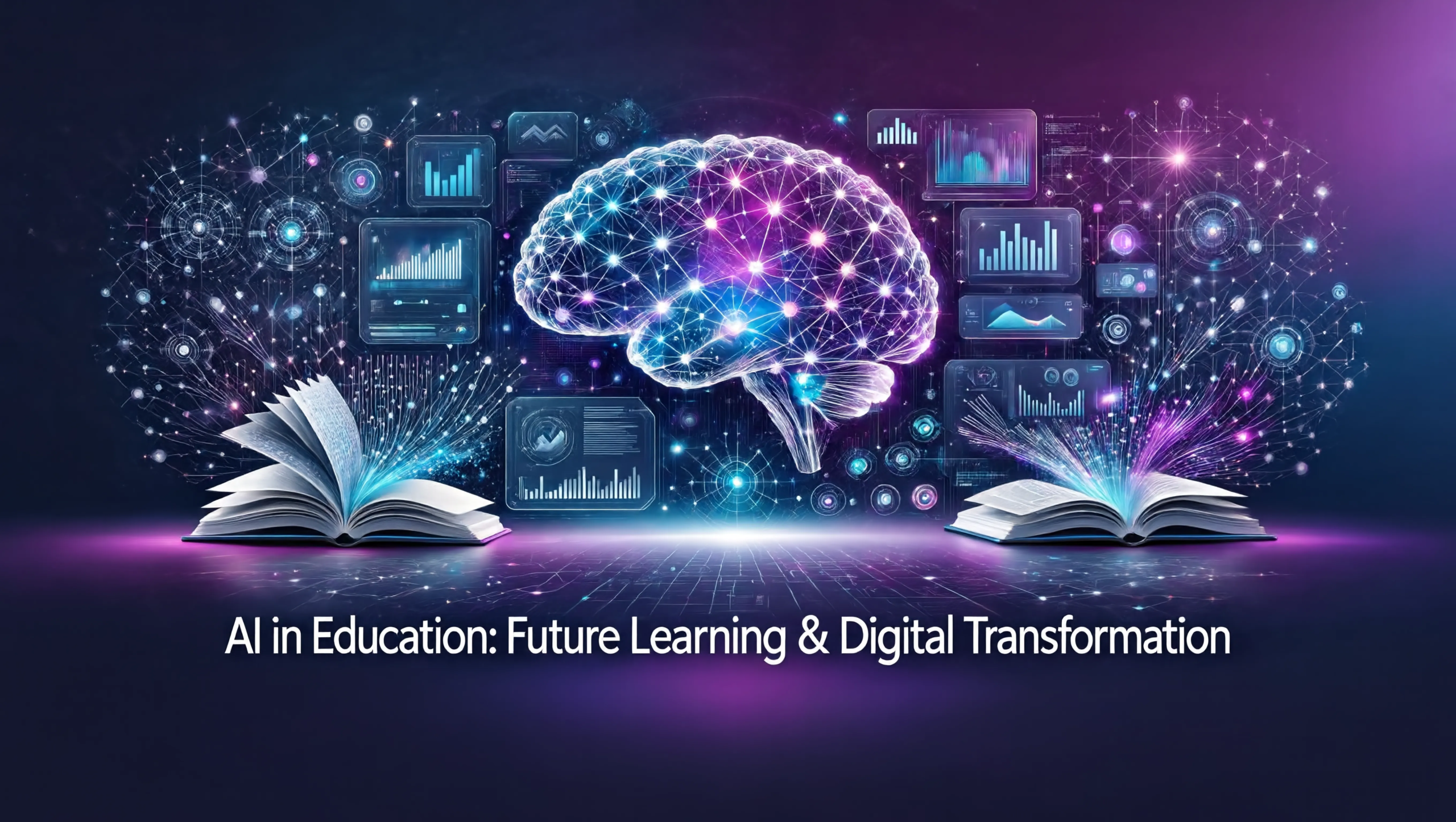
How AI is Transforming Education: Personalized Learning & Smart Classrooms
One of the most significant advancements driven by AI in Education is personalized learning. Traditional education systems often rely on a one-size-fits-all approach, where all students follow the same pace and curriculum. However, the Future of Education with AI introduces adaptive learning systems that tailor educational experiences to individual needs.
• Adaptive learning paths based on student performance
• Real-time feedback and smart recommendations
• Customized content delivery for better understanding
Through continuous data analysis, AI systems assess students’ strengths, weaknesses, and learning behaviors. This ensures that learners receive content suited to their individual pace, making AI a critical component of the Future of Education with AI.
ALARD University Perspective
At ALARD University, students benefit from:
• AI-integrated curriculum in management and technology programs
• Skill-based learning models tailored to individual growth
• Exposure to AI tools and platforms used in industry
This approach ensures that students are not just passive learners but active participants in the Future of Education with AI, equipped with practical skills and real-world knowledge.
Role of AI in Teaching: Enhancing Educators, Not Replacing Them
A common misconception surrounding AI in Education is that it may replace human teachers. In reality, the Future of Education with AI focuses on augmenting educators’ capabilities rather than replacing them.
AI enhances teaching by:
• Automating repetitive tasks such as grading and attendance tracking
• Providing actionable insights through student performance data
• Allowing educators to focus on mentoring and critical thinking development
By reducing administrative workload, AI in Education enables teachers to invest more time in meaningful student interactions. This reinforces the idea that the Future of Education with AI is built on collaboration between technology and human expertise.
ALARD University Perspective
At ALARD University, faculty members:
• Use technology-enabled teaching methods
• Focus on experiential learning and case-based teaching
• Guide students with industry mentorship and career support
This balanced ecosystem reflects how AI in Education can coexist with human teaching to shape the Future of Education with AI effectively.
AI for Inclusive Education: Accessibility, Equal Learning Opportunities & EdTech
Another transformative impact of AI in Education lies in improving accessibility and inclusivity. The Future of Education with AI ensures that learning is no longer limited by physical, linguistic, or cognitive barriers.
Key benefits include:
• Speech-to-text tools for hearing-impaired students
• AI-powered translation for multilingual learning
• Adaptive interfaces for differently-abled learners
These innovations highlight how Future in Education with AI is democratizing access to knowledge. The Future of Education with AI aims to create an inclusive environment where every student has equal opportunities to succeed.
ALARD University Perspective
At ALARD University, inclusivity is promoted through:
• Student-centric and flexible learning environments
• Digital tools supporting diverse learning requirements
• Equal access to skill development and career opportunities
This commitment ensures that the benefits of AI in Education contribute meaningfully to the Future of Education with AI.
Data-Driven Education: AI Analytics, Student Performance & Predictive Insights
The integration of AI in Education has enabled institutions to leverage data-driven decision-making. The Future of Education with AI relies heavily on analytics to enhance academic outcomes.
AI systems help in:
• Tracking student progress and engagement
• Predicting academic risks at an early stage
• Improving curriculum through data insights
By analyzing vast amounts of educational data, institutions can make informed decisions that align with the Future of Education with AI. This ensures that learning is continuously optimized for better results.
ALARD University Perspective
At ALARD University, data-driven strategies are used to:
• Monitor student performance effectively
• Enhance placement readiness
• Align curriculum with industry requirements
Such initiatives demonstrate how AI in Education is shaping the Future of Education through intelligent decision-making.
Challenges of AI in Education: Data Privacy, Ethics & Bias in AI
While AI offers numerous advantages, it also presents certain challenges that must be addressed to ensure sustainable growth. The Future of Education with AI depends on responsible implementation.
Key challenges include:
• Data privacy concerns related to student information
• Over-dependence on technology
• Bias in AI algorithms
Addressing these issues is essential to maintain trust and ensure fairness in educational systems. The Future of Education with AI must prioritize ethical considerations alongside technological advancements.
ALARD University Perspective
At ALARD University, ethical AI usage is emphasized through:
• Awareness programs on digital responsibility
• Academic focus on AI governance and transparency
• Training students for responsible technological leadership
This approach ensures that AI in Education is implemented responsibly, shaping a balanced Future of Education with AI.
Future of AI in Education: Smart Learning, Virtual Classrooms & Career Readiness
The Future of Education with AI is defined by innovation, adaptability, and industry relevance. As AI continues to evolve, new learning models are emerging that redefine traditional education systems.
Key trends include:
• AI-powered virtual classrooms
• Immersive simulations and practical learning
• Industry-integrated skill development
The Future of Education with AI emphasizes preparing students for real-world challenges by combining theoretical knowledge with practical skills.
ALARD University Perspective
At ALARD University, the future is shaped through:
• Industry-oriented programs such as B.Tech in CSE and MBA
• Strong emphasis on placements and internships
• Collaboration with industry partners
This ensures students are fully prepared to thrive in the Future of Education with AI and beyond.
Conclusion: AI in Education is the Future of Learning & Career Success
Artificial Intelligence is not just enhancing education—it is redefining it. The growing importance of AI in Education highlights its role in shaping a smarter, more efficient, and inclusive learning ecosystem.
The Future of Education with AI lies in striking the right balance between technological innovation and human expertise. Institutions that successfully integrate both will lead the next generation of education.
At ALARD University, this balance is achieved through:
• Advanced technology integration
• Experienced faculty mentorship
• Career-focused education
This holistic approach ensures that students are not only prepared for today but are also ready to excel in the Future of Education with AI.
Frequently Asked Questions
1. What is AI in Education and how does it work in modern classrooms?
AI in Education refers to the use of artificial intelligence technologies like machine learning, data analytics, and automation to enhance teaching, learning, and administrative processes. It works through smart tools such as adaptive learning platforms, AI tutors, and automated grading systems that improve student outcomes.
2. How is AI shaping the Future of Education with AI in India?
The Future of Education with AI in India is driven by personalized learning, smart classrooms, and digital transformation. Universities are adopting AI-based tools to deliver industry-relevant education and improve student engagement and employability.
3. What are the key benefits of AI in Education for students and career growth?
AI provides personalized learning, real-time feedback, improved accessibility, and exposure to industry-relevant skills. It enhances career opportunities by preparing students for high-demand roles in AI, data science, and technology.
4. Is AI in Education a good career option for students in India?
Yes, AI opens pathways to high-paying and future-ready careers. With the growing demand for AI professionals, students can pursue roles such as AI Engineer, Data Scientist, and Machine Learning Expert.
5. How does AI help teachers improve teaching efficiency and student engagement?
AI helps teachers by automating tasks like grading and attendance, providing insights into student performance, and enabling them to focus more on mentoring, interactive teaching, and critical thinking development.
6. What are the top AI courses in India for building a successful career?
Top courses aligned with the Future of Education with AI include:
B.Tech in Artificial Intelligence & Machine Learning
B.Tech in Data Science
MBA in Business Analytics
Certification courses in AI and Data Analytics
7. Which are the best colleges or universities for AI courses in India?
Leading institutions like ALARD University offer industry-focused AI programs with hands-on training, placement support, and exposure to real-world technologies, making them ideal for AI career aspirants.
8. How is AI used in personalized learning and adaptive education systems?
AI in Education enables adaptive learning by analyzing student behavior, strengths, and weaknesses. It customizes study material, pace, and assessments, making learning more effective and aligned with individual needs.
9. What are the challenges of AI in Education and how can they be addressed?
Key challenges include data privacy concerns, algorithm bias, and over-reliance on technology. These can be addressed through ethical AI practices, secure data systems, and maintaining a balance between human teaching and AI tools.
10. How does AI improve student performance and academic results?
AI improves performance by offering real-time feedback, identifying learning gaps, and recommending targeted resources. This ensures better understanding, higher engagement, and improved academic outcomes.
11. What is the future scope of AI in Education globally and in India?
The Future of Education with AI includes smart campuses, virtual classrooms, AI tutors, and immersive learning experiences. In India, rapid digital adoption is accelerating AI integration in higher education and skill development.
12. How can students start a career in AI and data science after 12th?
Students can start by enrolling in AI-focused programs such as B.Tech in AI/ML or Data Science at reputed institutions like ALARD University. Building skills in programming, analytics, and real-world projects is key to success.